Section title

The Ultimate Guide to Finding the Perfect Apron Sewing Patterns
The resurgence of home cooking, artisanal baking, and DIY crafting has brought a renewed appreciation for one of the most practical garments in history: the apron. Far from being just a basic protective layer, a well-crafted apron is a blend of functionality, personal style, and comfort. For sewing enthusiasts, creating an apron is often a rite of passage—it is an approachable project for beginners and a satisfying, quick sew for experienced makers.
However, finding the right blueprint for your project can sometimes be a challenge. Navigating through countless generic craft blogs to find a reliable, well-drafted template can take more time than the sewing itself. apronsewingpatterns.com was created to solve this exact problem. By serving as a specialized hub dedicated entirely to apron design, the platform connects makers with the perfect templates for their specific needs.
Whether you are looking to sew a durable canvas waist apron for gardening, a comfortable linen cross-back apron for weekend baking, or a vintage-inspired ruffled design to give as a holiday gift, having access to quality apron sewing patterns is the first step toward a successful project. This article explores what apronsewingpatterns.com offers and how it can help you elevate your crafting journey
About apronsewingpatterns.com
apronsewingpatterns.com is a dedicated niche platform built exclusively for sewists, crafters, and DIY enthusiasts who are passionate about making their own protective garments. Operating within the broader online sewing community, the website functions as a comprehensive directory and educational resource solely focused on aprons.
The core purpose of the website is to streamline the pattern discovery process. Instead of hunting through broad sewing websites that cover everything from evening gowns to upholstery, visitors can explore a highly curated environment tailored to kitchen wear, craft smocks, and utility aprons.
The site serves a wide range of visitors, from absolute beginners looking for their very first straight-line sewing project, to advanced seamstresses seeking complex, multi-pocket utility designs. By maintaining a sharp focus on this specific garment, apronsewingpatterns.com provides targeted value, offering not just printable templates, but also detailed advice on fabric selection, hardware installation, and sewing techniques.
What Does apronsewingpatterns.com Offer?
To accommodate the diverse needs of the sewing community, apronsewingpatterns.com categorizes its resources logically, ensuring users can find the exact style they envision. Here is a breakdown of the primary categories and resources available on the platform.
Classic Bib Apron Patterns
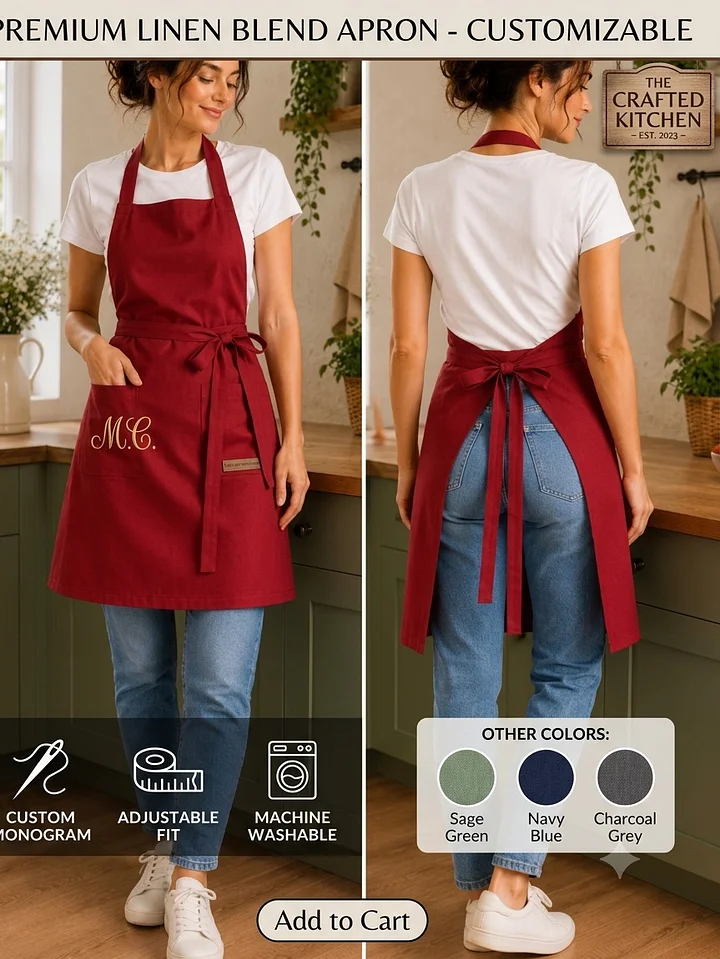
The traditional bib apron is the most universal style, featuring a neck loop, waist ties, and full frontal coverage.
-
What it is: A comprehensive protective garment that spans from the chest to the mid-thigh or knee.
-
Who it is suitable for: Home cooks, grill masters, and messy crafters.
-
Why it is useful: These patterns often include customizable pocket placements, allowing the maker to adapt the apron for holding cooking utensils, recipe cards, or craft scissors.
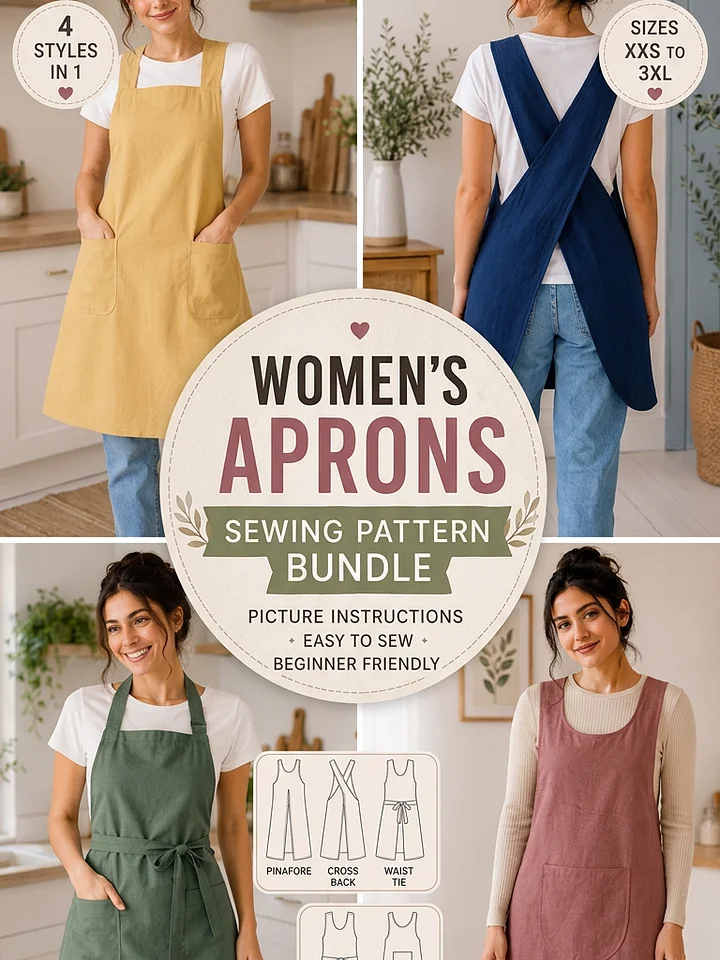
Cross-Back & Pinafore Aprons
Inspired by Japanese design, the cross-back apron has surged in popularity due to its minimalist aesthetic and ergonomic fit.
-
What it is: An apron that utilizes wide straps crossing in the back, entirely eliminating the need for neck ties.
-
Who it is suitable for: Anyone who suffers from neck strain when wearing traditional halter-style aprons, as well as artists and florists.
-
Why it is useful: It slips on easily over the head, provides excellent side coverage, and drapes beautifully when sewn in natural fibers like washed linen.
Vintage & Retro Styles
For those who view aprons as a fashion statement as well as a functional item, retro patterns offer a touch of nostalgia.
-
What it is: Designs featuring sweetheart necklines, gathered skirts, bias tape contrasting edges, and playful ruffles reminiscent of the 1940s and 1950s.
-
Who it is suitable for: Hostesses, baking enthusiasts, and lovers of retro fashion.
-
Why it is useful: These patterns teach valuable sewing techniques, such as gathering fabric, sewing curves, and applying double-fold bias tape.
Half Aprons & Waist Aprons
Also known as bistro or server aprons, these focus purely on lower-body protection and utility.
-
What it is: A pattern that ties around the waist and covers the lap and thighs, typically featuring deep, divided pockets.
-
Who it is suitable for: Waitstaff, market vendors, teachers, and gardeners.
-
Why it is useful: They require less fabric than a full apron and are incredibly fast to sew, making them excellent options for batch-sewing handmade gifts or craft fair inventory.
Educational Guides and Tutorials
Beyond the patterns themselves, the website offers instructional content. This includes step-by-step guides on how to adjust patterns for plus sizes, how to lengthen or shorten hems, and how to properly finish seams (such as French seams) so the apron withstands frequent machine washing.
Why Choose apronsewingpatterns.com?
With so many craft blogs on the internet, sewists need a reliable reason to bookmark a site. apronsewingpatterns.com stands out for several factual and meaningful reasons:
-
Niche Expertise: By focusing entirely on aprons, the site eliminates the clutter of unrelated sewing content. Every article, pattern, and tutorial is highly relevant to your specific project.
-
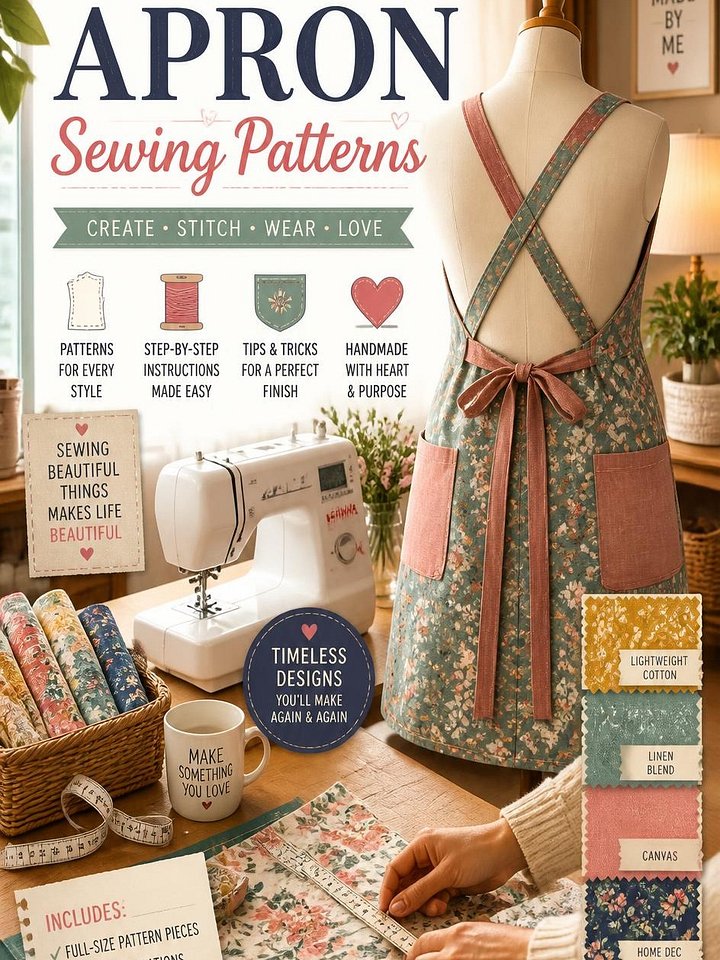
Fabric Guidance: Aprons require specific textiles to function properly. The site provides invaluable advice on choosing the right weight of canvas, linen, denim, or quilting cotton, ensuring your finished garment is both durable and comfortable.
-
Beginner-Friendly Approach: Aprons are structurally forgiving. They do not require complex fitting, darts, or zippers. The site leans into this by highlighting patterns that build confidence for novice sewists.
-
Instant Digital Convenience: Highlighting printable PDF patterns means users can download, print, tape, and cut their templates on standard home printers within minutes, rather than waiting for paper patterns to arrive by mail.
Who Can Benefit From apronsewingpatterns.com?
The beauty of the apron is its universal appeal. apronsewingpatterns.com is highly relevant to several distinct groups:
-
Novice Sewists: Those who have just unboxed their first sewing machine. Sewing an apron teaches foundational skills like sewing straight lines, turning corners, pressing hems, and topstitching.
-
Parents and Grandparents: Makers looking for quick weekend projects to sew matching "Mommy and Me" baking aprons, or protective art smocks for toddlers.
-
Small Business Owners: Artisans, café owners, and market vendors who want to sew custom, branded uniform aprons for themselves or their staff.
-
Eco-Conscious Crafters: Individuals looking for "stash-busting" projects. Small waist aprons and patchwork designs are excellent ways to upcycle leftover fabric scraps or repurpose old denim jeans.
How to Get Started
Starting your next sewing adventure with apronsewingpatterns.com is incredibly straightforward:
-
Explore the Categories: Navigate the site to browse by style—whether you need a heavy-duty BBQ apron or a delicate half-apron.
-
Review the Materials List: Once you select a pattern, read the required yardage, fabric recommendations, and notions (like D-rings for adjustable straps or buttons).
-
Download and Print: Download the PDF file to your computer. Always print the first page at "100% scale" or "Actual Size" to measure the test square before printing the rest of the document.
-
Assemble and Cut: Tape your printed pages together along the indicated guidelines, cut out your size, and pin the paper to your fabric.
-
Sew: Follow the provided step-by-step instructions to stitch your new apron together.
Frequently Asked Questions
What is the best fabric for apron sewing patterns?
The best fabric depends on the apron's purpose. For heavy-duty cooking or woodworking, medium-to-heavyweight cotton canvas, denim, or twill are ideal. For comfortable, everyday baking or hostessing, mid-weight linen and 100% quilting cotton are excellent, breathable choices.
Are cross-back aprons difficult to sew?
Not at all. Despite their elegant drape, cross-back aprons are often easier to sew than traditional aprons because they require no hardware, buckles, or long waist ties. They are typically constructed from simple, geometric fabric panels.
How much fabric do I need to sew an apron?
A standard full-coverage adult bib apron usually requires between 1 to 1.5 yards of 44-inch-wide fabric. A half-apron or child's apron can often be made with 1 yard or less. Always check the specific pattern's fabric requirements before purchasing.
Do I need a serger to make an apron?
No. While a serger (overlocker) is great for finishing raw edges quickly, it is never strictly required. You can easily finish apron seams using a standard sewing machine with a zigzag stitch, pinking shears, or by sewing elegant French seams to enclose the raw edges completely.
How do I print a digital PDF apron pattern?
Open the PDF using a dedicated reader (like Adobe Acrobat) on a computer. In the print dialogue box, ensure the scaling is set to "None," "100%," or "Actual Size." Print the page with the test square first to confirm the measurements are accurate before printing the entire file.
Conclusion
Whether you are crafting a heavy-duty smock for the workshop, a sleek linen pinafore for the kitchen, or a thoughtful handmade gift for a loved one, the journey begins with the right blueprint. apronsewingpatterns.com takes the frustration out of pattern hunting by offering a dedicated, well-organized hub for all things related to apron construction. By providing access to diverse styles, clear material guidelines, and beginner-friendly tutorials, the platform ensures that makers of all skill levels can successfully bring their textile projects to life. Grab your fabric shears, select your favorite design, and start stitching your next favorite kitchen accessory today
Your custom HTML code.